Lakes
A lake is a large body of still water that forms naturally on the Earth’s surface. Lakes are supplied by both underground and surface water sources. Streams, springs, and rainfall are the main factors that feed lakes.
The water found in lakes can have different characteristics. It may be fresh, salty, or soda-based depending on natural conditions. These differences occur due to several environmental factors.
Types of Lakes According to Water Characteristics
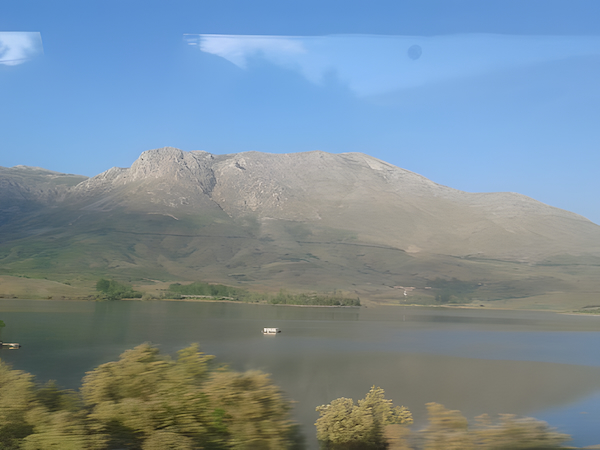
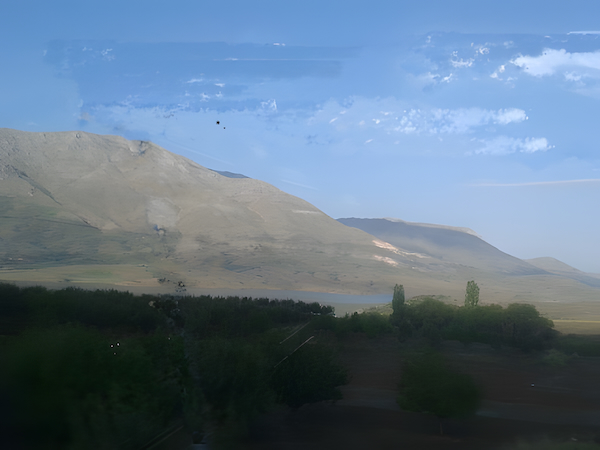
Lakes with freshwater are common in Turkey. Some examples include Beyşehir Lake (Konya–Isparta), Sapanca Lake (Sakarya), Köyceğiz Lake (Muğla), Bafa Lake (Aydın–Muğla), and Hazar Lake (Elazığ).
There are also saltwater lakes in Turkey. Tuz Lake (Konya–Aksaray), Palas Tuzla Lake (Kayseri), Bolluk Lake (Konya), Tuzla Lake (Kayseri), and Seyfe Lake are among the most well-known examples.
Soda lakes contain mineral-rich water. Arin Lake (Bitlis) and Van Lake are important examples of this type.
The taste and chemical structure of lake water provide information about the surrounding environment. Climate conditions, the type of water sources feeding the lake, the depth of the lake, and the structure of the lake basin are key factors affecting water characteristics.
Types of Lakes According to Their Formation
Lakes can also be classified based on how they are formed. These formation processes are closely related to geological and environmental factors.
Tectonic Lakes
Tectonic lakes are formed as a result of movements and fractures in the Earth’s crust. They are usually found in areas with active fault lines. Examples in Turkey include Simav Lake (Kütahya), Sapanca Lake (Sakarya–Kocaeli), Beyşehir Lake (Konya–Isparta), Akşehir Lake (Konya), and Hazar Lake (Elazığ).
Volcanic Lakes
Volcanic lakes are created when volcanic craters or depressions fill with water after volcanic activity. Gölcük Lake (Isparta) and Nemrut Lake (Bitlis) are well-known volcanic lakes in Turkey.
Set Lakes
Set lakes are formed when natural barriers block water flow and create a lake basin. These lakes are named according to the material forming the barrier.
- Alluvial set lakes are formed by river deposits, such as Köyceğiz Lake (Muğla).
- Volcanic set lakesare created by lava flows, such as Çıldır Lake (Kars–Ardahan).
- Landslide set lakesoccur due to landslides, with Yedigöller Lake (Bolu) as an example.
Glacier Lakes
Glacier lakes are formed by the movement and melting of glaciers. They are generally found in high mountainous areas. Ağrı Lake (Ağrı) and Erciyes Lake (Kayseri) are examples of glacier lakes in Turkey.
Karstic Lakes
Karstic lakes develop in regions with soluble rocks such as limestone and gypsum. Acıgöl (Denizli–Afyonkarahisar) and Avlan Lake (Antalya) are important karstic lakes.
