Messenger of Spring: Japanese Quince
General Information
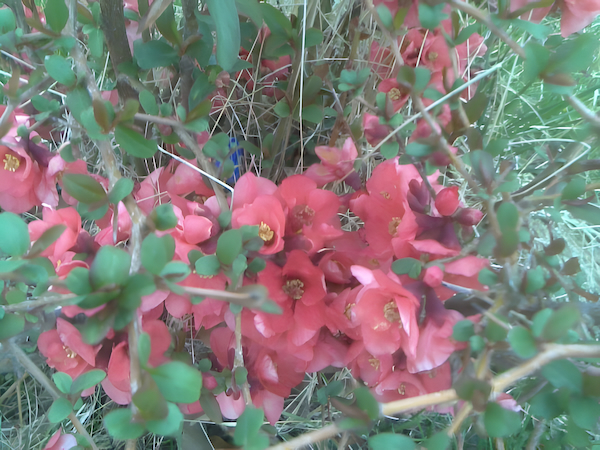
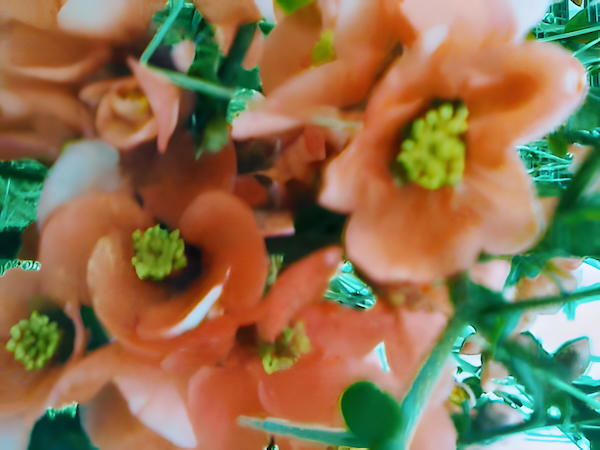
Japanese quince is a shrub native to East Asia. It belongs to the Rosaceae family and is often used as an ornamental plant in gardens and outdoor spaces.apanese quince is also popular for bonsai and garden decoration
This plant has thorns and can serve as a natural fence in gardens. Its blossoms are fragrant, and the small fruits are edible in moderation. In Turkey, it is also known as the "branch of spring."
Growth and Appearance
Japanese quince can grow up to nearly 3 meters and, like other shrubs, sheds its leaves in winter. It typically blooms between March and April. The fruits, which are small and resemble quince, have a slightly sour taste and are yellow-green in color. They are usually harvested in autumn.
Ideal Conditions
The plant thrives in sunny or partially sunny locations. It is suitable for temperate climates and can tolerate cold weather. Japanese quince grows well in clay soil but can adapt to most soil types, except marl soil. Fertilizing can improve its growth and flowering.
Care Tips
- Prune the plant after the flowering period to encourage more blossoms in the following season.
- Avoid overwatering.
- The plant can be propagated through seeds or cuttings.
Common Issues
Common problems in Japanese quince include:
- Mites
- Aphids
- Leaf spotting
- Chlorosis, which may affect both leaves and fruits
