
Symbol of Abundance: Wheat
Wheat is one of the most important cereal crops in the world and has long been regarded as a symbol of abundance and prosperity. It belongs to the grass family, along with other staple crops such as rice and barley. Due to its wide usage and nutritional value, wheat plays a central role in human and animal nutrition.
General Characteristics of Wheat
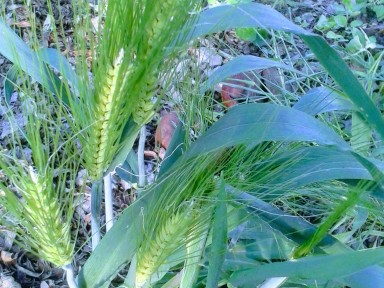
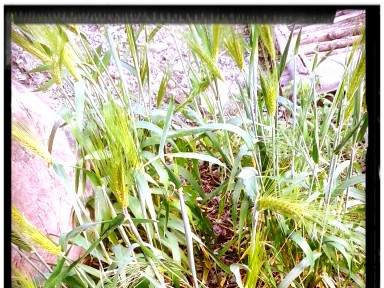
Wheat is an annual herbaceous plant that grows best in dry and temperate climates. It is highly adaptable and can withstand cold temperatures of up to -20°C, which allows it to be cultivated in many different regions.
Wheat is mainly pollinated by wind, and there are numerous varieties grown across the world. It is especially common in Asia, including countries such as Turkey and Persia , where wheat has been cultivated for centuries.
Wheat Cultivation Process
Wheat cultivation begins with selecting healthy grains preserved from the previous harvest. Before planting, the field is thoroughly prepared using machines or manual labor. The seeds are then evenly scattered across the soil.
After planting, the seeds begin to germinate. As the plants grow, the wheat ears develop and gradually turn yellow. When the fields become bright golden in color, the wheat is ready for harvest.
Harvesting can be done using traditional sickles powered by human labor or modern agricultural machines, which allow the process to be completed more quickly. Once harvested, the wheat is collected in one area for further processing.
Processing and Uses of Wheat
After harvesting, the wheat grains are separated from the straw. The grains are sent for milling, where they are turned into flour. Flour is one of the most essential food ingredients and is widely used to make bread, cakes, pastries, muffins, and many other products.
Bread, in particular, holds a special place on the table and is consumed daily by people around the world. Wheat is not only important for humans; wheat stalks and straw are also used as animal feed for cows, sheep, goats, and horses.
Nutritional Value and Health Benefits
Wheat is rich in carbohydrates, vitamin E, and B vitamins, making it an important energy source. In addition, wheat produces byproducts such as bran and germ, which are very nutritious. Bran contains plenty of fiber It contributes to overall health and provides several benefits:
- Helps prevent anemia
- Supports healthy and glowing skin
- Aids digestion and helps prevent constipation
Conclusion
Wheat is one of the most valuable crops in the world, supporting both human life and animal husbandry. From field to table, it remains a fundamental part of daily nutrition and continues to symbolize abundance, sustainability, and life itself.
