What Is Marigold? Characteristics and Uses
Gardeners and landscapers know marigold for its vivid color tones, pleasant fragrance, and strong visual impact With its bright appearance, it brings energy to outdoor spaces and is especially favored for ornamental purposes. In addition, the plant blooms during the summer months and gradually sheds its leaves as winter approaches.
General Characteristics of Marigold
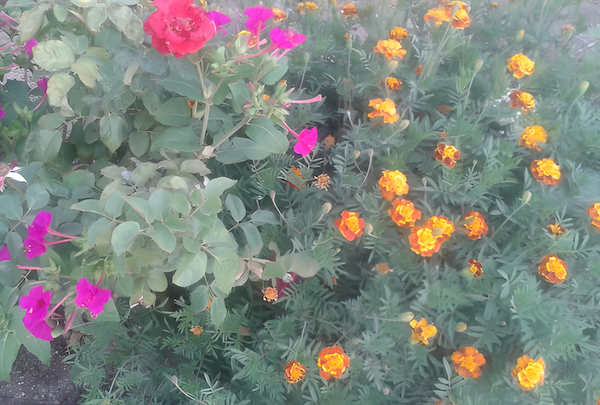
In addition, Marigolds produce flowers in shades of yellow, orange, and warm red pastels. They belong to the Asteraceae (Chamomile) family and include nearly 50 different varieties worldwide. Some of the most well-known types are French Marigold, Golden Moon Marigold, and Poet Marigold.
Origin and Growing Regions
The native habitat of marigold is Central America and Mexico. Due to its adaptability, it can grow in many regions of the world. As a result, the plant thrives particularly well in warm climates and moist, well-drained soils. In Turkey, marigolds are mainly cultivated in the Mediterranean region, where climatic conditions are favorable.
Growing Conditions and Care Tips
Marigold prefers direct sunlight and does not tolerate shade well. Removing faded petals encourages continuous blooming and helps maintain plant vitality. However overwatering should be avoided, as excessive moisture can delay flower development and weaken the plant.
Cultural and Historical Significance
Throughout history, many cultures have regarded marigold as a sacred flower. People often offered to deities and used it in religious ceremonies and rituals, symbolizing devotion and spiritual connection.
Uses of Marigold
Decorative and Indurstrial Uses
People value marigold not only for decorative purposes but also use it in:
- Natural dye production
- Essential oil extraction
- Soap and cosmetic manufacturing
- Garden and landscape design
Natural Pest-Repellent Properties
One of the most notable benefits of marigold is its ability to repel harmful insects. When planted in gardens, it helps protect surrounding plants by acting as a natural pest deterrent, reducing the need for chemical pesticides.
Health Benefits of Marigold
In traditional practices, marigold is known for its:
- Pain-relieving effects
- Diuretic properties
- Antibacterial activity
People have used marigold to support the treatment of skin conditions, fungal infections, and boils, while also helping maintain skin moisture. However, because marigold may affect the nervous system, caution is advised when used alongside anesthetic medications.
Have you enjoyed reading this post? You may be interested in other articles in the Outdoor Hubs

So beautiful
Is not it:)