
Philadelphus (Mock Orange) Plant Guide
What Is Philadelphus?
Philadelphus is a perennial shrub belonging to the hydrangea family. This ornamental plant grows from the base of the soil and develops into a dense, branching structure, making it a popular choice for gardens and landscape designs.
Common Names and Fragrance
The plant is commonly known as “mock orange” in English because of its citrus-like fragrance. In Turkey, it is often called lemon blossom, referring to the pleasant scent released by its white flowers.

Uses of Philadelphus
Fragrance and Traditional Uses
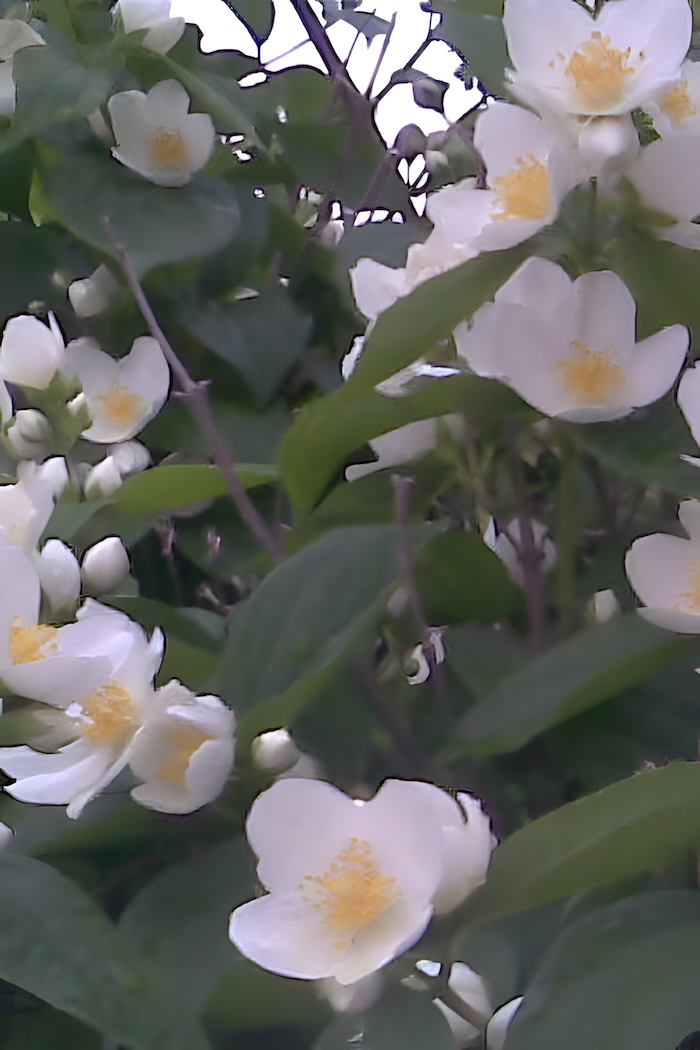
Philadelphus flowers are valued for their strong and refreshing scent. Traditionally, extracts from the blossoms and leaves have been used in scented products such as soaps, perfumes, and natural wood polishes.
Origin and Distribution
Philadelphus is originally associated with South America, but today it is widely cultivated in many regions. The plant can be found from Southern Europe to the Caucasus and adapts well to different climates, including many areas of Turkey.
Growing Conditions
Light and Water Requirements
Philadelphus prefers semi-shaded locations and requires regular watering, especially during dry periods.
Soil Preferences
The plant grows best in slightly clay-based, mineral-rich soils. However, it is adaptable and can thrive in many different soil types.
Climate Resistance
Philadelphus is a cold-resistant shrub but performs best in temperate climates. As a deciduous plant, it sheds its leaves during the autumn season.
Pruning and Maintenance
When to Prune
Pruning is recommended after the flowering period or during autumn. Late or improper pruning may reduce flowering in the following season.
Rejuvenation Pruning
Occasional rejuvenation pruning helps maintain healthy growth and encourages the development of new shoots.
Hard Pruning
Hard pruning involves cutting branches close to the main stem. This method is useful for renewing older plants and may also help reduce pest-related issues when applied correctly.
Propagation Methods
Philadelphus can be propagated from seeds or cuttings, making it easy to reproduce and suitable for home gardens.
Would you discover further contents like this? You may visit from here
lovely