
Aster (Starflower): The Symbol of Patience and Loyalty
The aster, also known as the starflower, is a well-known member of the daisy family. Often associated with the arrival of autumn, this elegant flower begins blooming in September and signals the seasonal transition with its vivid colors and star-shaped blossoms.
What Is an Aster Flower?
The aster flower belongs to the daisy family and is commonly referred to as palace paw, starflower, or simply aster. Its name comes from the Greek word “asteri”, meaning star, inspired by the unique shape of its flowers.
There are nearly 600 different species of asters found across the world, making them one of the most diverse flowering plants.
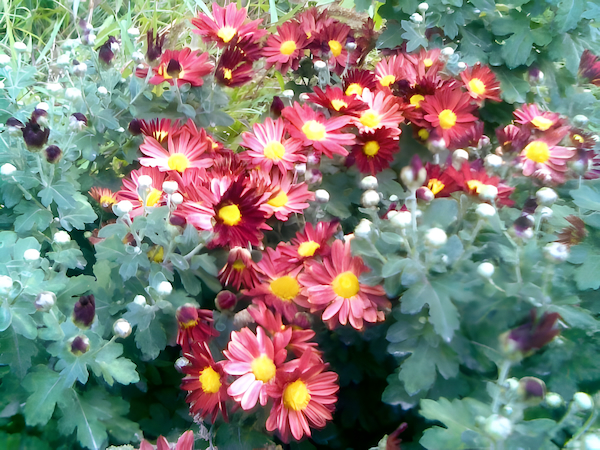

Physical Characteristics and Colors
Asters typically grow up to 60 centimeters in height, although some perennial varieties can reach heights of up to 1.5 meters. They bloom in a wide range of natural colors, including lilac, pink, white, blue, and red, which makes them highly attractive for decorative purposes.
Annual and Perennial Aster Varieties
Annual asters, commonly known as Chinese asters, usually bloom between August and October. Perennial varieties, often called Michaelmas daisies, are known for their durability, longer blooming periods, and greater height compared to annual types.
Cultural and Symbolic Meaning
Throughout history, asters have been valued for their symbolic meanings and visual beauty. They are commonly associated with patience and loyalty. In addition to their cultural significance, asters play an important role in nature by attracting bees and supporting the ecological balance.
Aster Flower as an Ornamental Plant
The starflower is widely used as an ornamental plant in both indoor and outdoor spaces. Its adaptability and ease of care make it a popular choice for gardens, balconies, and decorative plant arrangements.
Ideal Growing Conditions for Asters
Asters thrive in sunny environments but do not require constant direct sunlight. A few hours of sun followed by partial shade is usually sufficient. While they grow well in calcareous soil, proper soil ventilation is more important than soil type. Loosened, well-aerated soil encourages healthy growth.
Watering and Maintenance
Watering should be done when the soil becomes dry. During the flowering period, asters require more frequent watering, as they are more sensitive to dryness while blooming.
Pruning is recommended during the winter months. This helps the plant produce stronger and longer-lasting flowers. Early pruning of young shoots can also promote more abundant flowering.
Propagation and Climate Sensitivity
Asters can be propagated through cuttings. However, they are sensitive to cold weather and do not tolerate harsh frost conditions, so protection may be necessary in colder climates.
Aster Flower in Astrology and Traditional Use
In astrology, the aster flower is associated with the Virgo zodiac sign. Traditionally, the aster has also been used in natural remedies, particularly for supporting relief from colds and coughing.
Common Diseases Affecting Aster Flowers
Like many flowering plants, asters may be affected by certain diseases, including leaf spot, rust, powdery mildew, and root rot. Regular care and proper growing conditions help reduce the risk of these issues.
