
Honeysuckle Plant: Characteristics, Types, and Benefits
What Is Honeysuckle?
Honeysuckle is an elegant, flowering, and fragrant climbing plant that belongs to the ivy-type group. It can grow between 2 and 7 meters in length, depending on the variety and growing conditions. The shape of its leaves resembles a woman’s hand, which is how the plant got its distinctive name. Honeysuckle usually produces yellow or white flowers and is well known for its pleasant scent.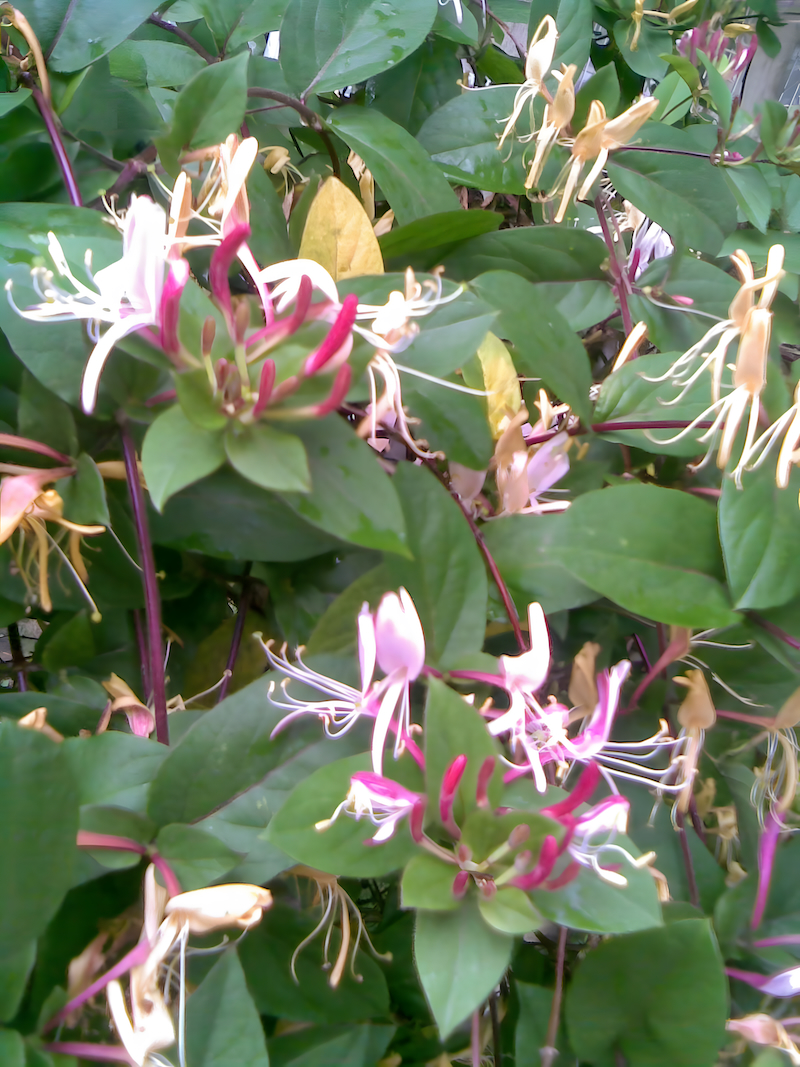
Origin and Distribution of Honeysuckle
The natural homeland of honeysuckle is Europe. However, over time, the plant has spread and can now also be found growing in China and North America. Today, there are nearly 200 different varieties of honeysuckle worldwide.Cultural Beliefs About Honeysuckle
In many cultures, honeysuckle is believed to symbolize good luck and positive energy. For this reason, many people prefer to plant honeysuckle in their home gardens.Growing Conditions and Plant Characteristics
Climate and Soil Preferences
Honeysuckle is a cold-resistant perennial plant. It thrives best in well-ventilated environments and grows successfully in areas with light shade or partial sunlight. The plant prefers moist soil, but it is generally adaptable and can grow in many different soil types.Is Honeysuckle a Perennial Plant?
Yes, honeysuckle is a perennial plant, meaning it can live and bloom for many years under proper care.Types of Honeysuckle
Some commonly known honeysuckle varieties include:- Japanese honeysuckle
- Forest honeysuckle
- Wrapper honeysuckle
- Scrub honeysuckle
- Tatar honeysuckle
- Coral honeysuckle
- White honeysuckle
Pruning and Maintenance of Honeysuckle
Pruning is an important part of honeysuckle care, as it helps the plant grow bushier and produce more flowers.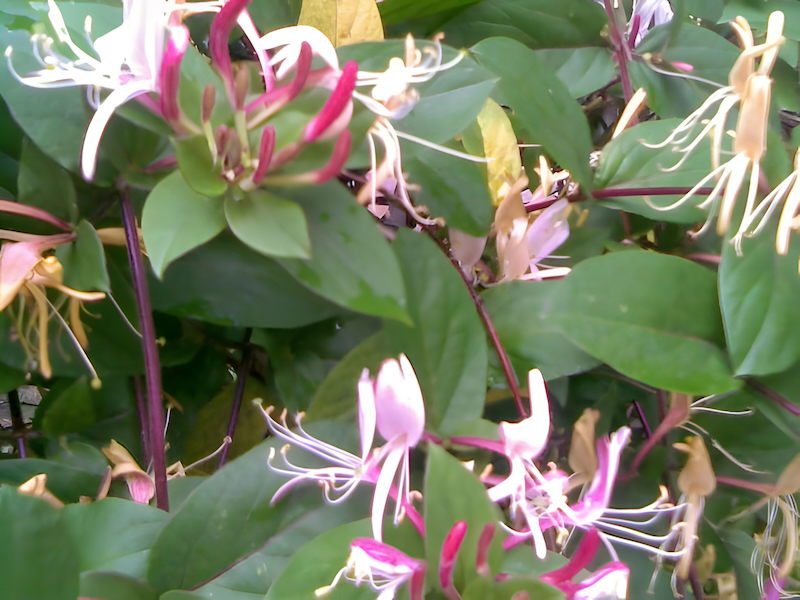
Health Benefits of Honeysuckle
Honeysuckle has been traditionally valued for its potential health benefits.Potential Health Effects
- Acts as a natural diuretic
- Helps moisturize the skin and may reduce acne
- May support treatment of bronchitis,colds , flu, pneumonia, and cough
- Supports the heart and vascular system
- Helps strengthen the immune system and shows antiviral properties
- May be beneficial for people with diabetes
Note: The health benefits mentioned above are based on traditional use and should not replace professional medical advice.
